Introduction
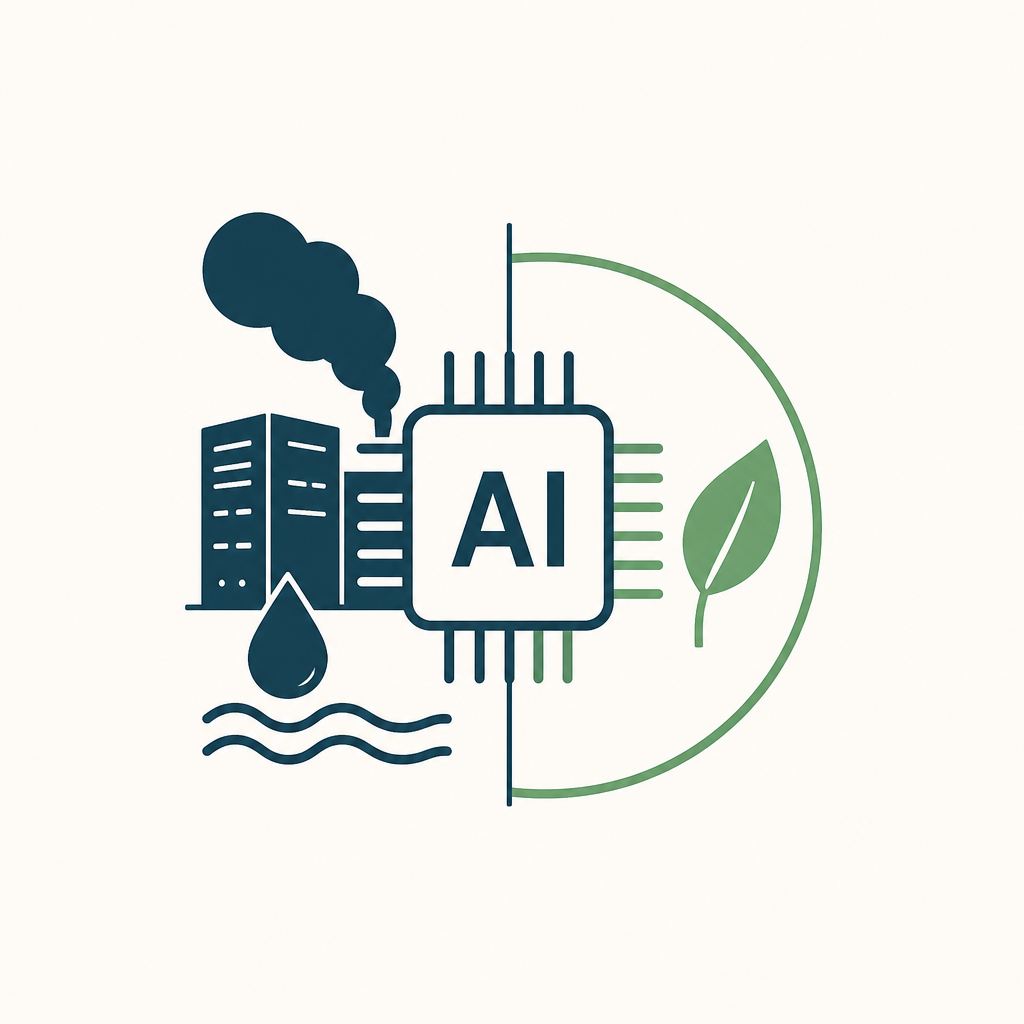
Artificial intelligence has arrived at the center of the global climate conversation--and it has come holding two edges of the same sword. At international forums like COP30 in Brazil, a heated debate is unfolding over whether AI should be hailed as a game-changer for tackling global warming or scrutinized as a hidden threat whose own environmental footprint may be exacerbating the crisis it promises to solve. As Michal Nachmany of Climate Policy Radar succinctly observed amid the COP30 discussions, "The potential is huge and the risks are huge as well" [1].
The concern is grounded in hard numbers. The International Energy Agency reports that data centers already account for roughly 1.5% of global electricity consumption, with their energy demand growing four times faster than overall electricity consumption worldwide [1]. The IEA has further estimated that global electricity demand from data centers could double between 2022 and 2026, fueled in large part by AI adoption [2]. What was once a stable, even flat, electricity landscape--particularly in the United States--is now being reshaped by computing facilities whose appetite for power, land, and water is expanding at a pace that utilities, regulators, and climate planners are struggling to match [3].
Yet the same technology driving this surge is also being deployed to forecast extreme weather, optimize renewable energy grids, discover new clean-energy materials, and decarbonize heavy industry. The question facing policymakers, researchers, and industry leaders is no longer simply whether AI is good or bad for the climate, but how its considerable benefits can be captured without letting its considerable costs run unchecked. The answer, experts increasingly agree, will require deliberate stewardship on both sides of the algorithm [1][4].
The Scale of the Demand: A Footprint Growing at Unprecedented Speed
From Flat Demand to Explosive Growth
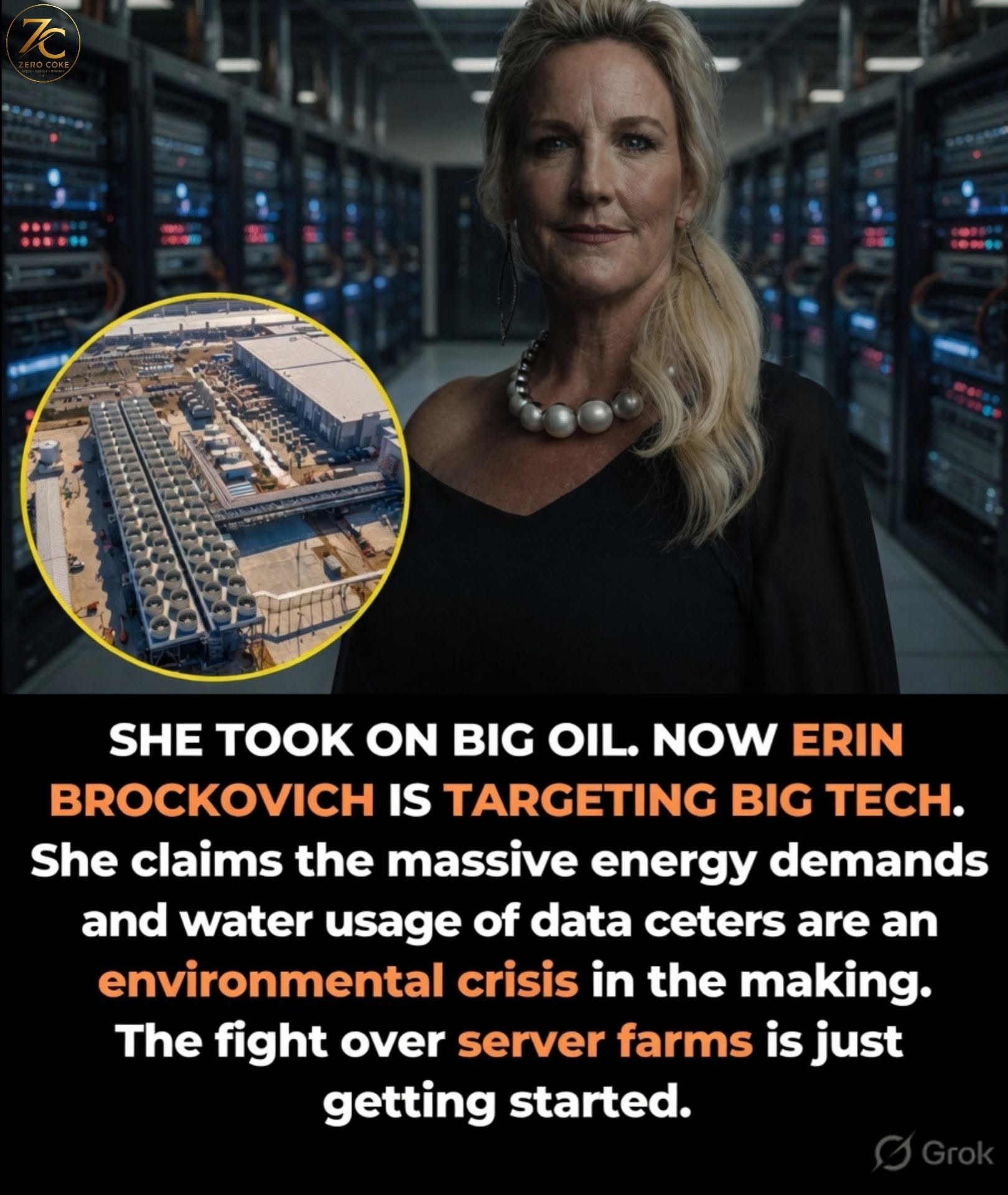
For decades, electricity demand in the United States was essentially flat. That era is over. Computing centers now consume approximately 4% of the nation's electricity, and some projections--though shrouded in uncertainty--suggest that figure could climb to 12-15% by 2030, driven largely by AI applications [3]. Globally, data centers already account for 1% to 2% of overall energy demand, a footprint comparable to that of the entire airline industry. According to Vijay Gadepally, a senior scientist at MIT Lincoln Laboratory, that figure could hit 21% by 2030 when the full costs of delivering AI to consumers are factored in [2].
The trajectory is being pushed upward by the sheer scale of modern AI models. "As we move from text to video to image, these AI models are growing larger and larger, and so is their energy impact," Gadepally has warned. "This is going to grow into a pretty sizable amount of energy use and a growing contributor to emissions across the world" [2]. Generative AI systems like GPT-4 are becoming exponentially larger, meaning that ever more energy is consumed both to train them and to run the inference workloads that serve users [2].
The Water Question
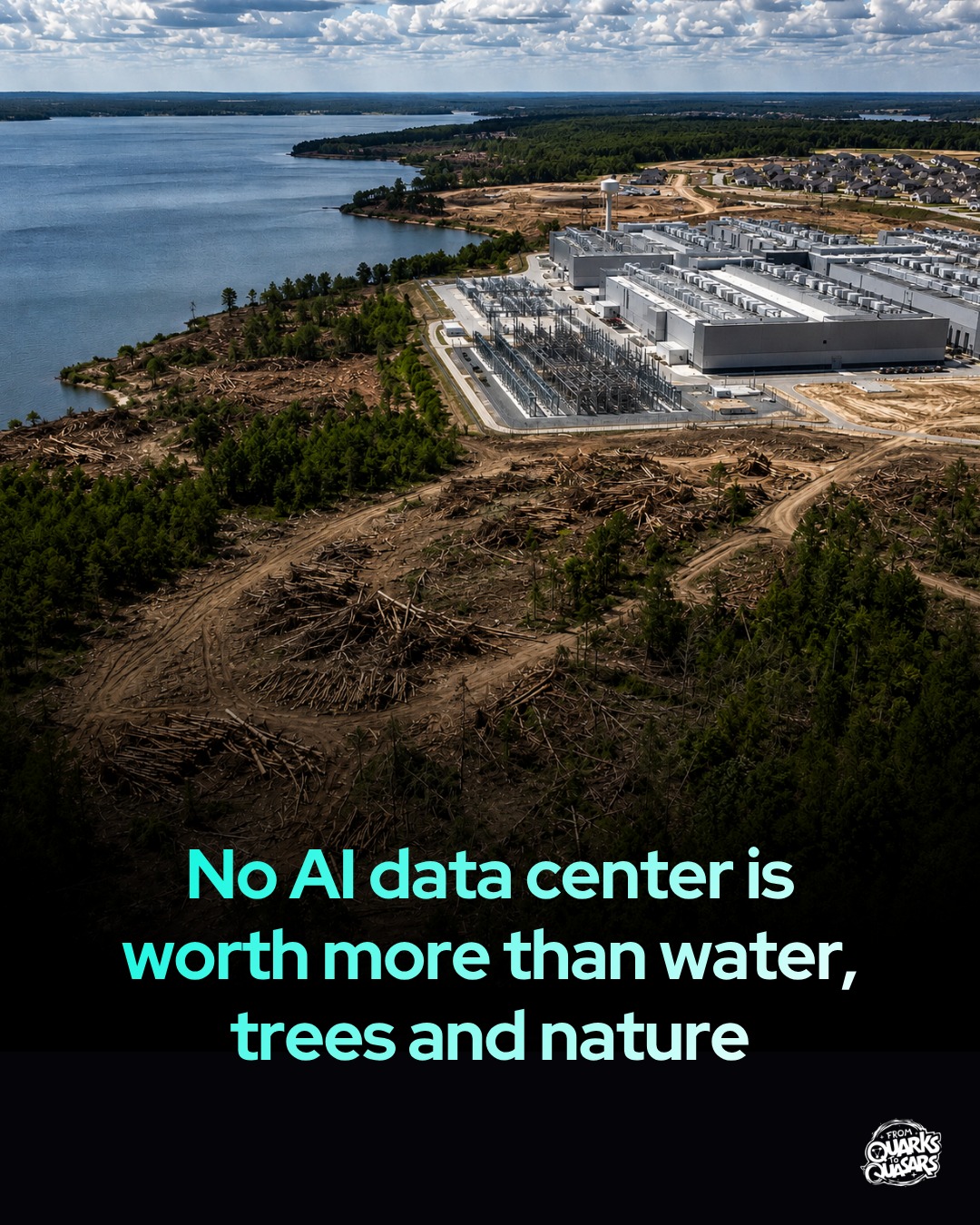
Energy is only half of the story. Data centers also consume enormous volumes of water for cooling, and as equipment is packed into ever-tighter physical quarters, the requirement for aggressive cooling technologies grows--much of it drawing from already stressed watershed areas, as Gadepally noted at the MIT Sustainability Conference [2]. This creates what environmental advocates describe as a double environmental whammy: data centers frequently guzzle water in regions already facing water scarcity, compounding local ecological stress even as they add to global greenhouse gas emissions [1][5].
Researchers examining AI's energy and water footprint have framed the issue in precisely these terms--a double-edged dynamic in which the same systems that could enable resource conservation through smarter management are simultaneously driving up direct consumption of the very resources in question [5]. The tension is not abstract: it plays out in county water board meetings and municipal permitting decisions wherever hyperscale facilities are proposed.
Strained Grids, Strained Communities, and the Nuclear Question
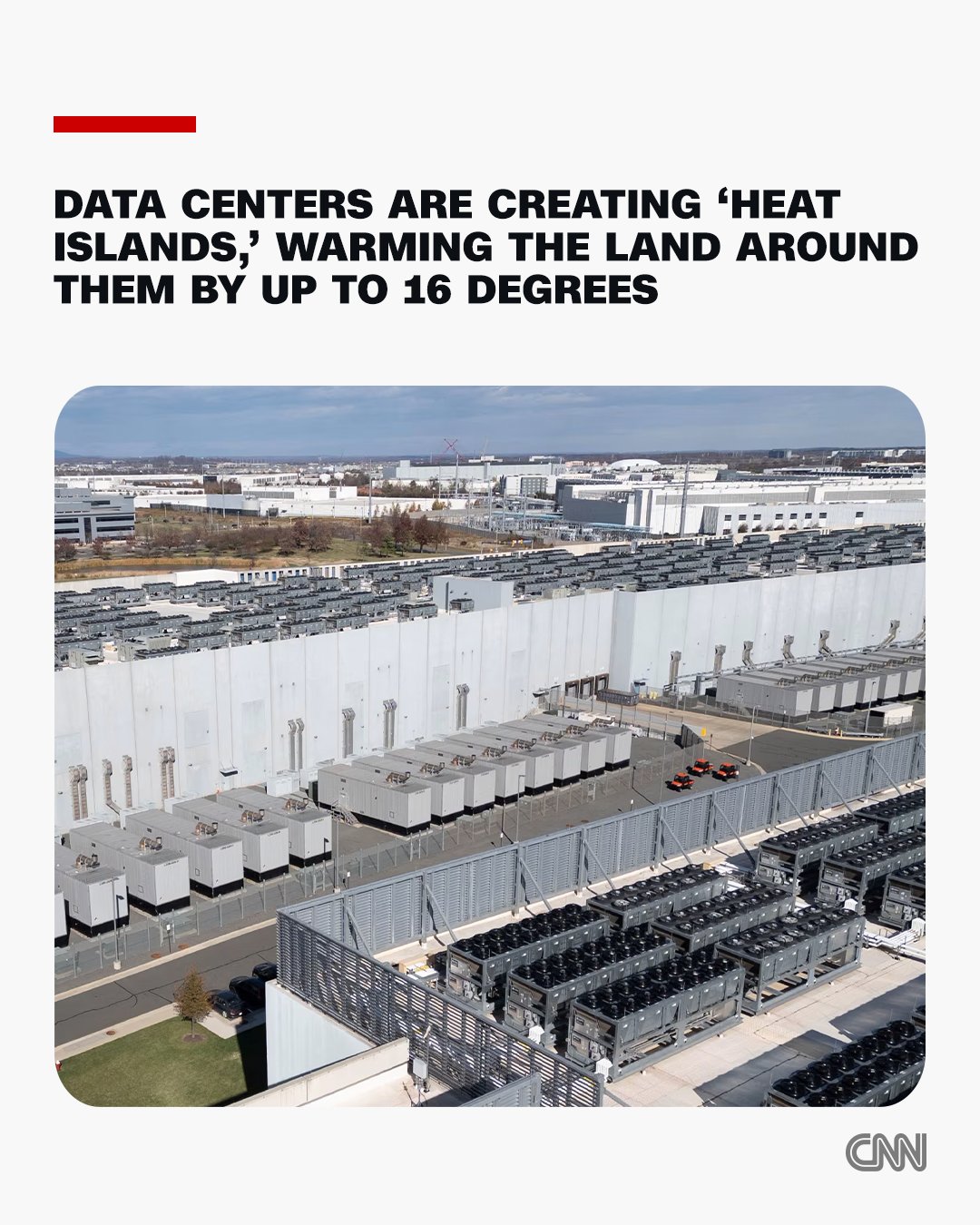
The consequences of this demand surge are already visible in mature data center markets. In Ireland and Northern Virginia--two of the world's most concentrated data center hubs--utilities have struggled to build new transmission capacity fast enough to meet industry demand, resulting in power shortage warnings and delays in connecting new facilities to the grid. These high-concentration areas can also impose negative impacts on local residents when sufficient guardrails are absent, raising environmental justice concerns alongside energy ones [6].
Faced with these constraints, the technology sector is turning to unconventional solutions--none more striking than the rehabilitation of nuclear power. Constellation Energy is restarting the reactor at the former Three Mile Island site, now renamed the "Crane Clean Energy Center," specifically to meet data center demand [3]. In Michigan, the Palisades nuclear power plant earned "operations status" from the U.S. Nuclear Regulatory Commission to support a restart, while Amazon acquired a data center campus in Pennsylvania positioning itself near power assets [6].
The nuclear pivot is global. France, where about 70% of electricity comes from nuclear power, touts that carbon-free baseload capacity as an AI advantage; data center operator Data4 recently signed a first-of-its-kind 12-year Nuclear Production Allocation Contract with the state-owned utility EDF, securing 40 MW of capacity directly from nuclear reactors at a price tied to production costs rather than volatile wholesale markets [6]. These arrangements underscore a broader reality acknowledged at forums like Princeton's Andlinger Center conference, "Energy for AI and AI for Energy": AI's energy consumption will exacerbate challenges to already struggling clean energy ambitions unless the power that feeds it is decarbonized in parallel [4].
The Other Edge: AI as a Genuine Climate Solution
Optimization, Prediction, and Discovery
The case for AI as a climate tool rests on its ability to process and react to unprecedented amounts of data at speeds previously seen as impossible--unlocking new approaches to energy and climate challenges [4]. The envisioned applications are wide-ranging: smart grids that anticipate energy needs and balance intermittent renewables, self-optimizing factories that minimize waste, and AI-powered logistics that streamline transportation networks [7]. Climate scientists are using AI to accelerate research, and the technology is enabling breakthroughs in clean energy materials and helping entire industries decarbonize [8].
Some analysts argue the ledger could ultimately balance--or tip in AI's favor. Amy Jaffe, research professor and director of the Energy, Climate Justice, and Sustainability Lab at NYU's Center for Global Affairs, has suggested that AI could save as much energy as it uses, or more, by driving efficiency across the systems it touches [8]. Evelyn Wang, MIT's vice president for energy and climate, echoed this framing: "The energy demands of AI are a significant challenge, but we also have an opportunity to harness these vast computational capabilities to contribute to climate change solutions" [3]. She noted, moreover, that innovations developed for data centers--efficiency improvements, cooling technologies, and clean-power solutions--could have broad applications well beyond computing facilities themselves [3].
A Global Conversation, From Brazil to Morocco
This dual assessment is now playing out on the world stage. At COP28, generative AI's efficiency and productivity gains featured in discussions about sustainability pathways, though observers cautioned that for Asia--the world's largest carbon-emitting region--AI's growing appetite poses a potential environmental threat if not balanced against its impact [7]. Similar debates unfolded at UM6P's Sustainability Week in Morocco, where a panel titled "AI & Sustainability - Challenges & Opportunities" brought together voices from UM6P's College of Computing, Mohamed First University, the Hassan II International Center for Environmental Training, and Canada's Laval University to examine AI's dual nature as both an accelerant of climate risk and a potential instrument of decarbonization [9]. The convergence of perspectives across continents, hemispheres, and development contexts suggests a growing consensus that the technology's fate is not predetermined--it will be shaped by the choices made now [9][10].
Charting a Sustainable Path Forward
Efficiency From Within
Reducing AI's footprint does not require abandoning AI. At MIT's Lincoln Laboratory Supercomputing Center, researchers have demonstrated that organizations can pair sustainability practices with cost savings by rethinking AI model training and investing in more efficient hardware--a "playbook" showing that fiscal and environmental goals can be tackled simultaneously [2]. Experts at MIT Energy Initiative's symposium, "AI and energy: Peril and promise," similarly emphasized that efficiency gains, advanced cooling, and clean-power procurement offer a way to "reap the benefits of AI without some of the harms" [3].
Clean Power and Smarter Policy
Supply-side strategies matter just as much. With over a third of the world's power sources expected to come from renewables within a few years, a progressively cleaner grid provides a more climate-friendly foundation for the AI revolution [7]. Nuclear restarts and long-term contracts like Data4's agreement with EDF add firm, carbon-free capacity to the mix [3][6]. On the governance front, transparent and responsible practices--including the world's first pact for safe AI and initiatives like Singapore's revised National AI Strategy--offer models for guiding development, while advocates propose tax incentives for green AI and penalties for energy waste to give policy real teeth [7][8].
Regulatory frameworks will need to keep pace with infrastructure realities. As the Brookings Institution has documented, surging AI demand is already challenging grid operators and regulators in concentrated markets, and the absence of sufficient guardrails risks leaving local communities to absorb the costs of an industry racing to expand [6]. The path forward, as analysts have put it, demands shared responsibility and bold innovation--developers choosing cleaner locations and cooling methods, governments setting clear standards, and even individual users favoring AI tools powered by clean energy [5][8].
Conclusion
Artificial intelligence now stands at a genuine inflection point. On one side of the ledger sits a rapidly compounding footprint: data centers whose electricity demand is growing four times faster than global consumption overall, whose share of energy use could rival or exceed that of entire industries within the decade, and whose cooling systems draw on watersheds already under strain [1][2]. On the other side sits a technology capable of optimizing power grids, accelerating clean energy discovery, and helping industries decarbonize--capabilities that some experts believe could save at least as much energy as AI consumes [8][4].
These two realities are not in conflict so much as in tension, and the outcome will depend on deliberate choices: where data centers are built, how they are powered, how efficiently their models are trained, and how rigorously their growth is governed. The COP30 debates captured the stakes succinctly--AI is a powerful tool with immense potential that demands careful stewardship [1]. If that stewardship materializes, the double-edged algorithm may yet cut decisively in the climate's favor. If it does not, the technology pitched as the planet's solution could become one of its most demanding new burdens.
References
- 1.
- 2.
- 3.
- 4.
- 5.
- 6.
- 7.
- 8.
- 9.
- 10.