Introduction
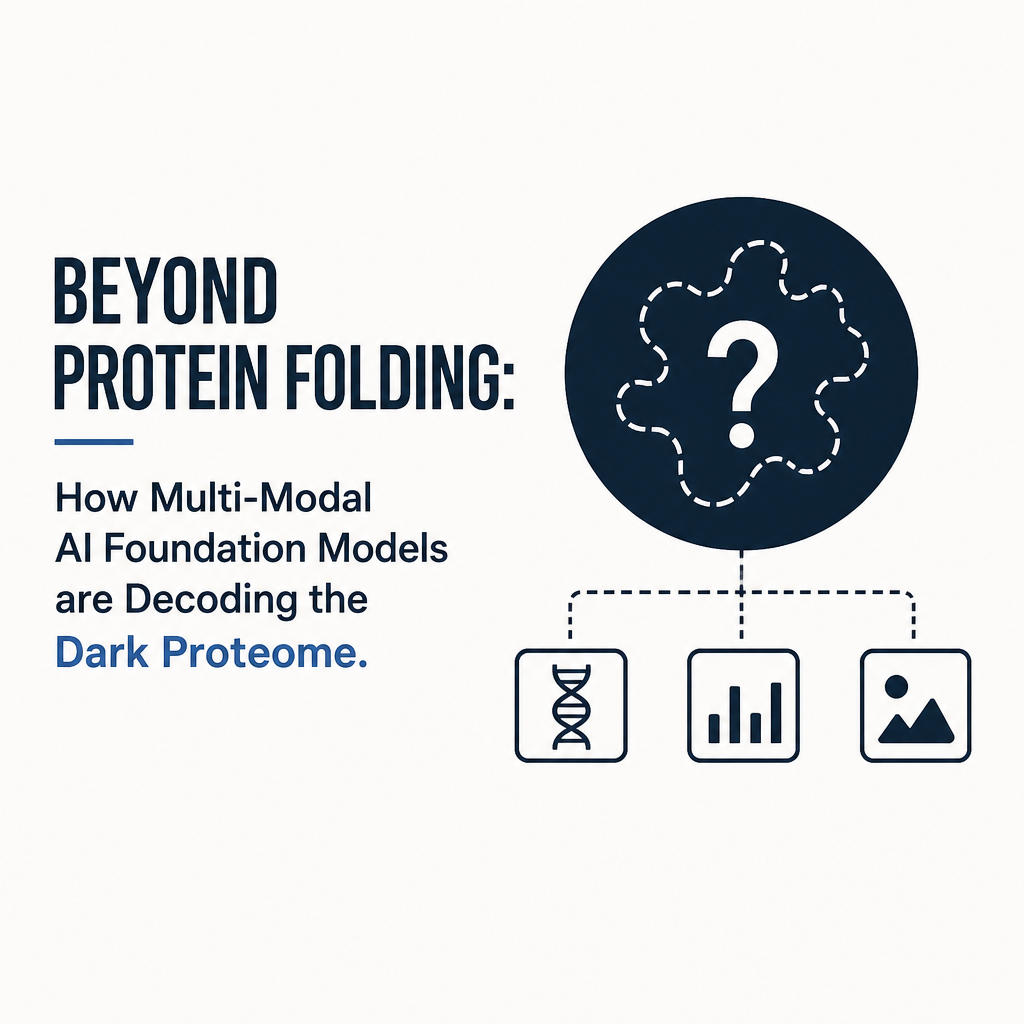
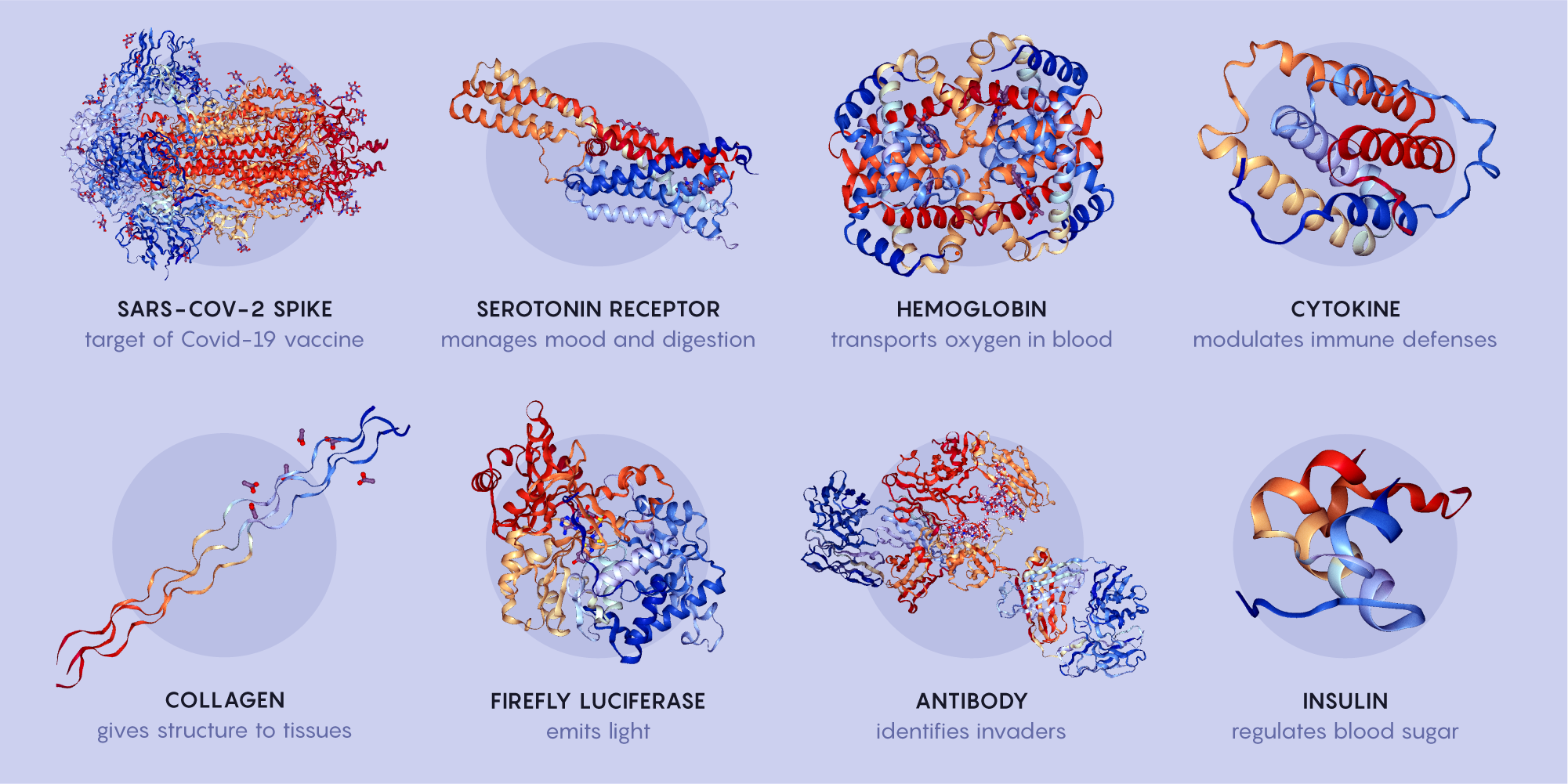
For decades, the protein folding problem stood as one of biology's greatest challenges. When AI systems like AlphaFold finally cracked the code of predicting a protein's 3D structure from its amino acid sequence, it was heralded as a paradigm shift. Yet, as the initial euphoria settles, structural biologists are facing a profound realization: knowing a protein's shape is not the same as knowing what it does. The next great frontier in biological AI lies not in predicting structures, but in deciphering function--the elusive realm known as the "dark proteome" [1].
The dark proteome comprises the vast tapestry of proteins whose structures cannot be easily modeled and whose functions remain entirely unknown. Far from being mere genomic junk, this uncharted layer of biology is now believed to hold critical insights into disease mechanisms that have long eluded scientific understanding [2]. Illuminating it requires a fundamentally different approach to artificial intelligence. Enter the era of multi-modal foundation models: sophisticated systems that synthesize disparate data types--from genomic sequences and molecular structures to natural language descriptions--to decode the true operational mechanics of life [3].
The Dark Proteome: Biology's Uncharted Frontier
To understand the significance of this AI revolution, one must first understand the sheer scale of the dark proteome. Recent advances in proteomic technologies, particularly mass spectrometry, have revealed that the human proteome is far deeper and more complex than initially understood. Beyond the well-mapped "canonical" proteome lies a shadow world of non-canonical proteins, alternative splicing variants, and novel microproteins [2].
These dark proteins represent a critical, underexplored frontier in understanding and potentially treating disease. Because they do not conform to traditional genomic annotations, they are frequently missed by standard bioinformatic pipelines. However, researchers are increasingly realizing that these non-canonical proteins may serve as novel biomarkers, mechanistic drivers of disease, or entirely new classes of therapeutic targets across a range of conditions, from cancers to neurodegenerative diseases [2].
Historically, the darkness of these proteins was a byproduct of technological limitation. But as AIIBE (CSIC-UPF) researchers recently demonstrated, deep learning is now capable of determining the functions of previously unknown proteins. By feeding sequences from model organisms like mice, yeast, and fruit flies into AI models, scientists have successfully deciphered the functions of dark proteins--a vital step, particularly as unknown organisms are being sequenced in massive quantities, yielding millions of sequences that traditional methods simply cannot process [4].
 Towards multimodal foundation models in molecular cell biology | Nature
The Limits of Single-Modality: Why Structure Isn't Enough
The triumph of protein folding AI has undeniably accelerated biology, but it has also exposed the limitations of single-modality models. As noted by researchers at the Kempner Institute, predicting a protein's structure from its sequence is now significantly advanced, but predicting protein phenotypes--the observable characteristics that connect molecular functions to biological roles--remains an open challenge [1].
Biological systems do not operate in isolated modalities. A protein's function is not dictated by its sequence alone, nor by its static 3D structure. As InstaDeep and BioNTech researchers point out, key problems in genomics intrinsically involve multiple modalities. DNA, RNA, and proteins are intimately linked; a single DNA sequence can give rise to multiple RNA transcript isoforms, which in turn map to different expression levels and functional outcomes across various human tissues [5]. Current large language models in biology, while highly promising, are largely constrained to a single sequence modality, leaving them fundamentally ill-equipped to capture the cross-modal dynamics of the cell [5].
Furthermore, the protein folding problem itself has forked into new, more complex questions. While we can predict the final folded state, the underlying folding code and the kinetic mechanism--how a protein navigates its folding pathway in a fraction of a millisecond--remain deeply contested [6]. Decoding the dark proteome requires moving beyond the static snapshot of a folded protein to understand its interactions, its evolution, and its behavior within a complex cellular environment.
Engineering the Light: Multi-Modal AI Architectures
To bridge the gap between structure and function, AI researchers are building a new breed of multi-modal foundation models designed to process biological data the way human biologists do: by looking at the big picture from multiple angles simultaneously.
One of the most significant advancements in this space is OneProt, developed by Helmholtz AI researchers. Published in PLOS Computational Biology, OneProt brings together diverse protein information--3D structures, amino acid sequences, written textual descriptions, and binding site details--using the ImageBind framework. By aligning these heterogeneous data types efficiently, even when they do not match perfectly, OneProt performs exceptionally well on tasks like predicting enzyme function and analyzing protein binding sites. Crucially, the study demonstrated that using multiple types of data actually reduces the need for massive training datasets while still achieving strong performance, highlighting the unique power of a binding site encoder not seen in previous models [3].
Taking a different but complementary approach is PoET-2, developed by OpenProtein.AI. While most protein language models focus solely on single sequences or inverse folding (generating sequence from a structure template), PoET-2 mirrors natural evolutionary processes. Its multimodal architecture learns directly from evolutionary-scale sequence and structure data simultaneously. This allows PoET-2 to excel at complex industrial applications that require the simultaneous optimization of multiple protein properties, such as enhancing both enzymatic activity and thermostability [7].
Meanwhile, the IsoFormer framework from InstaDeep and BioNTech tackles the multi-modal challenge at the genomic level. By connecting DNA, RNA, and proteins through pre-trained modality-specific encoders, IsoFormer successfully predicts how multiple RNA transcript isoforms originate from the same gene and map to different expression levels across human tissues, outperforming existing single-modality methods [5].
 How AI Revolutionized Protein Science, but Didn't End It | Quanta Magazine
From Sequence to System: Phenotype Prediction and the Virtual Cell
The ultimate test of these multi-modal models is their ability to generate actionable, biologically accurate phenotypes. This is where models like ProCyon, developed at Harvard's Kempner Institute, shine. ProCyon excels at generating free-text descriptions of protein phenotypes, providing insights unconstrained by pre-defined vocabularies or rigid biological ontologies.
By analyzing both sequence and structure, ProCyon can describe protein functions across molecular, cellular, and systemic scales. In one notable demonstration, ProCyon predicted novel functions for the poorly characterized protein AKNAD1, directly illustrating its potential to illuminate the dark proteome [1]. Because it is not limited to existing classification systems, ProCyon can hypothesize entirely new biological roles for dark proteins, effectively acting as an AI-powered research collaborator.
This capability is a crucial stepping stone toward a broader vision articulated by leaders in the field: the creation of a "virtual cell." As researchers at institutions like Genentech and Xaira Therapeutics pursue frameworks trained on genome-wide perturbations, the integration of multi-modal and time-series data at scale is becoming the defining challenge of the decade [8]. By combining single-cell genomics with multi-modal AI--efforts currently being spearheaded by institutes like the Wellcome Sanger Institute and Helmholtz Munich--scientists are moving closer to a living simulation of human biology [9].
Conclusion
The resolution of the protein folding problem was not the end of structural biology, but rather its prologue. As the scientific community looks beyond static 3D shapes, the dark proteome emerges as the next great frontier--a labyrinth of non-canonical proteins and unknown functions that hold the keys to unprecedented therapeutic discoveries. Multi-modal AI foundation models are uniquely suited to navigate this labyrinth. By synthesizing sequences, structures, binding sites, and evolutionary data, systems like OneProt, PoET-2, IsoFormer, and ProCyon are bridging the chasm between molecular architecture and biological reality. In doing so, they are not just illuminating the dark proteome; they are fundamentally rewiring our understanding of how life operates at the molecular level.
References
- 1.
- 2.
- 3.
- 4.
- 5.
- 6.
- 7.
- 8.
- 9.